
Inside West Africa's evolving flavour landscape
By Riana Claasen, Head of Flavour, SensoryFX
July 2026
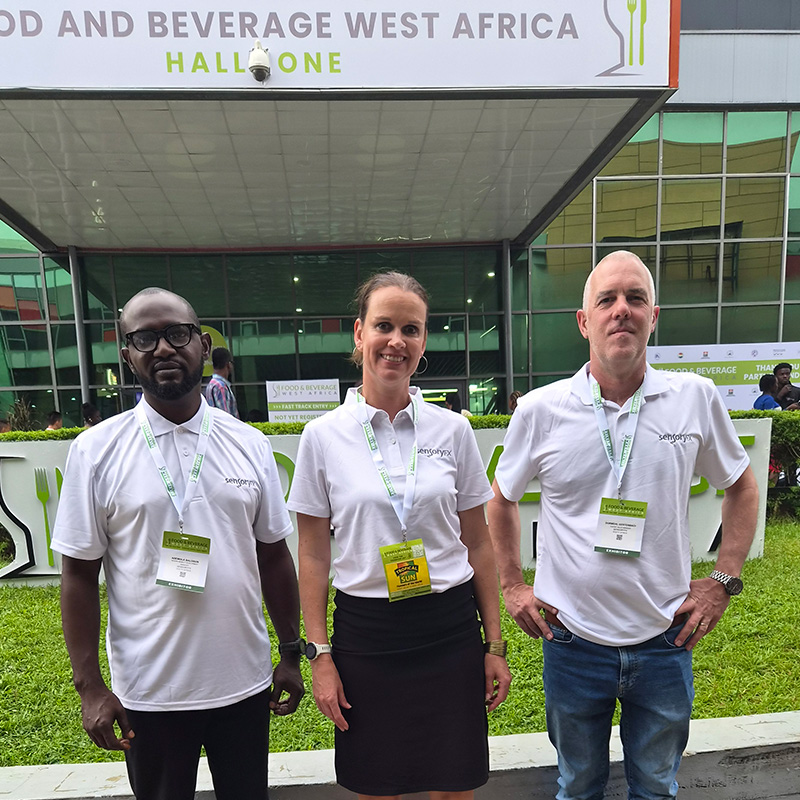
Attending Food and Beverage West Africa (FAB West Africa) provided valuable insight into the trends shaping product development across the region. Bringing together manufacturers, suppliers and buyers from the region’s largest open markets—described by the event organisers as being responsible for more than 70% of West Africa’s food and beverage imports—the exhibition offered a valuable opportunity to better understand the forces shaping the regional market. Conversations throughout the exhibition revealed a strong focus on balancing innovation with affordability, localisation and changing consumer expectations.
One thing became clear while walking the exhibition floor: West Africa’s food and beverage industry isn’t simply following global trends. It’s adapting them to local tastes, consumer expectations and economic realities.
Affordability remains a key consideration, but manufacturers are equally focused on preserving the bold, authentic flavours that define the region’s food culture. Innovation isn’t driven by novelty alone. It’s about understanding consumers, respecting established flavour preferences and finding smarter ways to formulate products in a challenging economic environment.

Value engineering without sacrificing flavour
Economic pressures continue to influence product development across much of West Africa. Many manufacturers spoke about managing fluctuating ingredient costs, sourcing locally where possible and improving formulation efficiency to remain competitive.
Rather than simply reducing costs, the emphasis is on delivering greater value. Shelf-life extension, ingredient optimisation and locally relevant flavour solutions are becoming increasingly important as businesses respond to changing consumer expectations.
Unexpected applications for familiar flavours
One of the strongest themes emerging from the exhibition was the way traditional flavour profiles are being applied in new product categories.
Smoky, roasted and deeply savoury flavours inspired by regional favourites featured across a wide range of snack innovations. Suya-inspired seasonings, pepper soup spices, rich umami notes and wood-fired flavour profiles continue to resonate strongly, while manufacturers are exploring new ways to incorporate these familiar tastes into everyday products.
At the SensoryFX stand, familiar savoury flavour profiles generated strong interest and sparked conversations around other applications, including chips, roasted snacks and instant noodle products.
That willingness to experiment with format while remaining true to familiar flavours was a recurring theme throughout the exhibition.
Traditional flavours, modern interpretations
Across bakery, beverages and confectionery, traditional flavour profiles remain central to product development.
In bakery, flavours such as vanilla, cinnamon, nutmeg and butterscotch continue to provide the comforting profiles consumers know and enjoy. Alongside these classics, urban bakeries are introducing more layered flavour combinations, including fruit fillings, dessert-inspired concepts and premium inclusions that add interest without losing familiarity.
Beverages are following a similar path. Ingredients such as hibiscus (zobo), ginger, tropical fruits and citrus remain central to many concepts, while palm wine-inspired notes and regional botanicals are finding their way into more contemporary applications. Across both alcoholic and non-alcoholic drinks, traditional ingredients are being reinterpreted to create products that feel both familiar and modern.
Confectionery is also evolving in step with these preferences. Mint, coconut, tropical fruits, creamy dairy notes and coffee continue to feature strongly, while manufacturers are combining these established favourites with chocolate, nuts and locally sourced ingredients to create products that feel contemporary while remaining rooted in regional tastes.
Across all three categories, the emphasis is not on chasing extremes, but on delivering richer, more rounded flavour experiences.


Looking ahead
One of the biggest lessons from FAB West Africa is that successful innovation doesn’t necessarily come from introducing entirely new flavours. More often, it comes from reimagining familiar ones in ways that remain relevant to today’s consumers.
Across the exhibition, manufacturers demonstrated a clear understanding of their markets and a willingness to adapt products to changing economic conditions without losing the flavour profiles consumers recognise and enjoy.
For flavour houses and product developers, the opportunity lies in listening carefully to the market. West Africa continues to present exciting opportunities for innovation, but long-term success will depend on creating products that respect local taste preferences while responding to commercial realities.
For SensoryFX, these insights reinforce our commitment to understanding evolving consumer preferences across the region. By engaging directly with manufacturers and monitoring emerging trends, we continue to develop flavour solutions that are relevant, commercially successful and inspired by the tastes that define West Africa’s vibrant food culture.

Through exploring emerging trends, SensoryFX is committed to understanding consumer motivations, allowing us to create flavours that delight and inspire.